Did you know?
Not only does the clothing production process require massive amounts of energy, but every 5 minutes, approximately 10,000 items of clothing are sent to landfill. Rhinal explains that, “Often we don’t realise that our overconsumption is coming at a cost to others including ourselves. For example, the fast fashion industry has a carbon footprint higher than the aviation and shipping industry combined.”
WWF suggests that there are different ways in which we can help reduce our individual carbon footprint through our consumption. Perhaps we treat ourselves and buy one well-made expensive thing rather than constantly needing to replace it with cheaper alternatives. By not using fast-fashion chains there will be a reduction in the waste resources in manufacturing, as well as reducing the transport costs and carbon cost. However, as many of us face a cost of living crisis, we may not be able to afford anything we class as luxuries. This is where second-hand items really come into play.
Buying second-hand and upcycling are not only fashionable now, but also extremely environmentally responsible. There are lots of apps where you can buy second-hand items these days, including eBay, Vinted and Depop, as well as many charity shops in any local town or city. By shopping second-hand you can obtain clothes for a fraction of the cost in both economic and carbon-related variety.

Our diets are an important part of our carbon footprint
- Meat and dairy produce are associated with much higher carbon emissions than plant-based food, and indeed a significant proportion of greenhouse gas emissions are a result of food production.
- One-third of all food produced is wasted. Every year in the UK, our wasted food represents 14 million tonnes of carbon dioxide emissions. The gas emissions from our wasted food are equal to the emissions created by 7 million cars each year.
- Rough a third of our kitchen and garden waste can be composted. Local authorities are getting better at collecting compostable waste, which can be processed to create renewable energy.
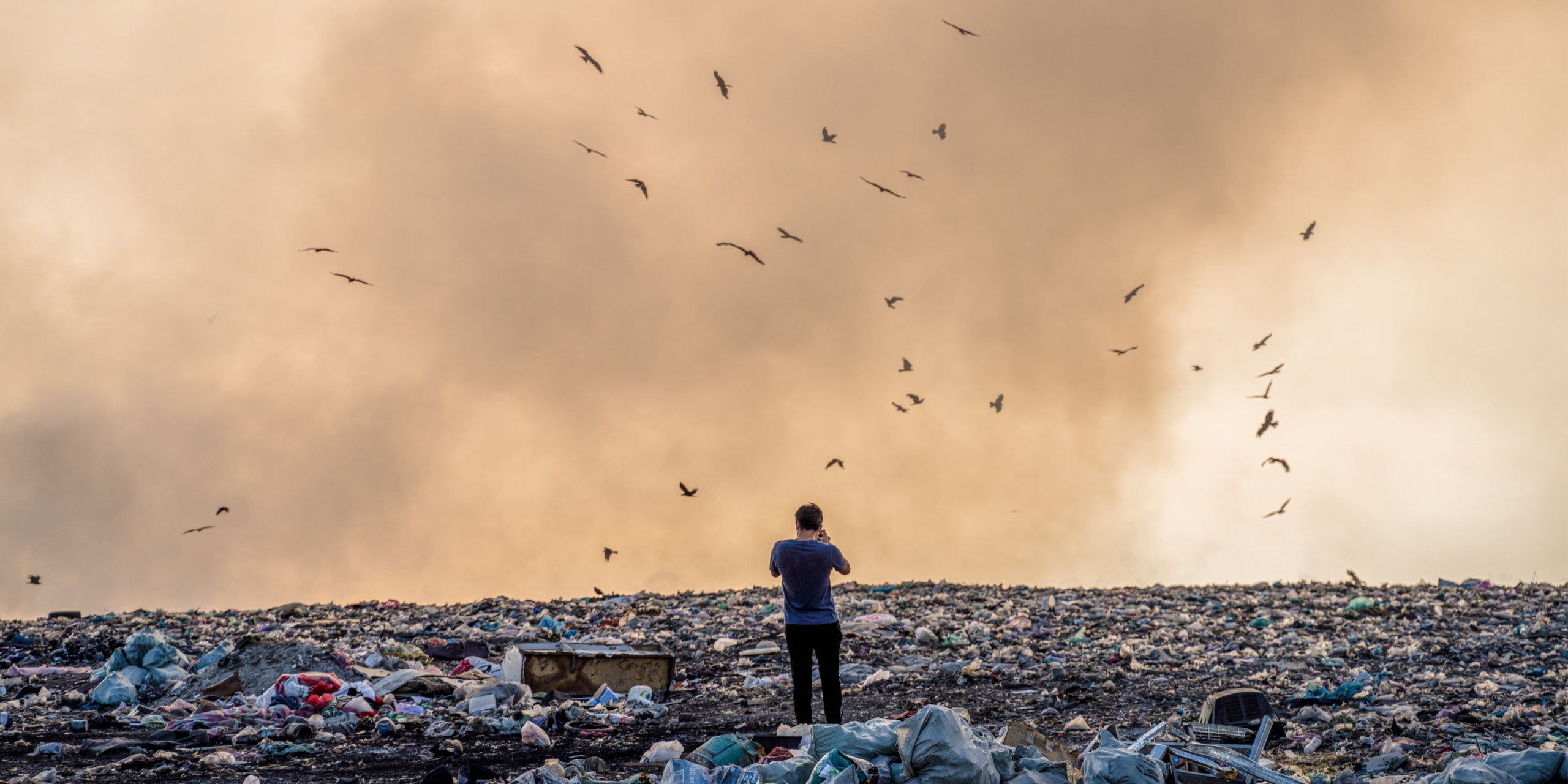
- However, when our kitchen and garden waste is not disposed of properly and ends up in landfills, it turns into methane, which is a large contributor to climate change.
- Food bought in restaurants has a bigger footprint than if you were to cook at home, due to the emissions created by heating, lighting and cooking your meal.
Travel often represents a significant part of people’s footprint.
- During rush hour in London, 32% of the vehicles are now bikes. WWF says “Why not build 20 minutes of cycling into our daily travels and see your fitness and sense of wellbeing improve at the same time and see your fitness and sense of wellbeing improve at the same time.”
- In the UK, transport is currently the biggest source of carbon emissions resulting in climate change.
- By taking a local bus, it will emit around half the emissions from a single occupancy car journey. There are an increasing amount of electric and hydrogen buses, which will reduce the emissions caused by buses even further.
- A return journey from London to Madrid by plane generates approximately 200kg of carbon dioxide, which is more than the average person generates in a year.

How we use energy at home can play a part in our carbon footprint.
- The energy we use in our homes accounts for approximately 20% of the carbon emissions in the UK, so by finding ways to waste less energy you can reduce your carbon footprint.
- Insulation, double glazing and low-energy lighting can reduce our energy bills by up to a quarter.
- If every light in the UK was switched to low-energy LED lighting, the power needs could be cut to the equivalent of two new nuclear power stations.
- If you are lucky enough to own a dishwasher, you can up to 6000 litres of water a year, rather than washing by hand. The less water you use, the more water there will be in the lakes and rivers, which will help support nature and wildlife.

And lastly, did you know that internet use accounts for 3.7% of global emissions – equivalent to all air traffic in the world – a figure that’s expected to double by 2025. Our very own Dave Morgan, Technical Director wrote a piece on our blog explaining how to lower the carbon footprint of websites.