Rhinal Patel’s Q&A with Claire Swindell
On Wednesday 9th August, we had the pleasure of welcoming Rhinal Patel to Spindogs HQ. Claire Swindell hosted the questions and Rhinal provided some very thoughtful and inspiring answers.
Rhinal Patel is a speaker, writer and counsellor who works alongside Greenpeace and Amnesty International. She has spoken for the likes of the United Nations and other global organisations and lives in South Wales.
What was the catalyst for making the change to pursue your interest in the environment and humanity?
There’s a quote by Jim Carrey, “I think everybody should get rich and famous and do everything they ever dreamed of so they can see that it’s not the answer” and I think that is what it was.
I was always a hard worker and kind of an ambitious person. I had a really good job and I progressed really quickly with the support of the company. It was fun, creative, and we did lots of stunts and political statements. I remember during a stunt for one film, we dropped money from a shopping centre to get publicity, which was fun! I worked there for 7 years altogether and it helped with my career development.
My boss was super supportive and I was able to take a few sabbaticals, where I travelled to Australia, New Zealand and Asia. I had a loving partner who worked with me as the Marketing Director and everything on the surface appeared perfect but I was really unhappy. I would get frustrated and annoyed at little things, and I had ongoing dissatisfaction.
After seemingly having the perfect life on the outside, where I got to travel a lot, I realised I wasn’t going to find what I was looking for out there, but that I was going to have to look inside myself. So I gave everything up when I was 30 – during what my friends and I call my quarter-life crisis – and I went to Latin America. I donated quite a big chunk of my salary to different charities and I travelled on a budget of around £400 a month. The first thing I did was to volunteer at an orphanage and I didn’t know what I was looking for – I just knew I had to change.
The culture in Latin America was so different and it taught me that I had to open my heart. Upon opening and connecting to my heart, that’s when I found happiness. I realised how much I had grown up, as previously I was always so caught up in my thoughts, such as what people thought of me and what my parents were expecting of me, that I forgot about love and being around children, especially vulnerable children, as they understand that love is what’s most important.
I spent around 18 months volunteering, backpacking and conducting social work in Latin America and it became a journey that I never expected. I was made to feel like family in the villages I stayed in and I realised that family can be found anywhere around the world, and not just in your immediate home. My experiences have opened my mind in so many ways.
Was it hard to come back?
It was different and I didn’t realise how much I had changed. I realised that life in the UK is not the only way to live our lives. When I came back, I was trying to think about what to do next career-wise and so, I travelled a bit more. Then I worked for a company based in South Wales, but it was a toxic work environment. Whilst my previous boss had been so supportive, in this new company with my new boss, I felt like I was never good enough. I realised this path of being a Communications Director was not for me anymore and instead, I was more interested in helping nature and people. Now, I work in counselling, which I find very fulfilling.
You have worked alongside some incredible organisations, doing vital work, for example, Amnesty International, Greenpeace, the NSPCC, and Childline and they are quite varied, what drew you to each one?
They seem very varied, but due to my experience travelling, I was able to find ways to connect them all. I was invited to do a talk for United Nations Model Conference and they asked me to talk about my travels related to human rights. I looked at all the other topics that were being covered at the conference and I thought they are all interconnected, as human rights are affected by the environment.
The talk that I gave was on finding happiness within yourself and being conscious and aware of living from moment to moment. Such as thinking maybe I can cycle part of the journey today, which is better for the environment, and realising then that in turn will help human rights.
Climate change is such a big issue; for example, in Africa, many people cannot access food or water. It can be overwhelming to think of it as a whole and not know where to start. So I try to advocate that we don’t have to do everything. Pick what works for you each day and remember, we don’t have to be perfect. It’s about the bigger impact – everyone doing a little rather than one person doing everything. When I first learnt about the climate crisis, I went to a more extreme mindset like thinking you can’t buy plastic, but I gradually came to more of a middle ground and every day I try to do the best that I can.
You have travelled extensively, all the while being mindful of your carbon footprint, does a particular trip stand out as a highlight, and if so, why?
I went on my last trip to write an article about balancing the carbon footprint. I travelled to the Favela in Rio, then onto to the Bolivian Amazon and throughout the trip, would consciously think, ‘Okay I ate dairy or meat so what can I do to balance that out? Maybe I could walk instead of getting transport, or maybe I could camp rather than stay in a hotel room.’ I tried to see how I could balance out my footprint every day. The biggest impact was the flight, so I used a carbon footprint calculator, and I would calculate it every day, and gradually that started changing too.
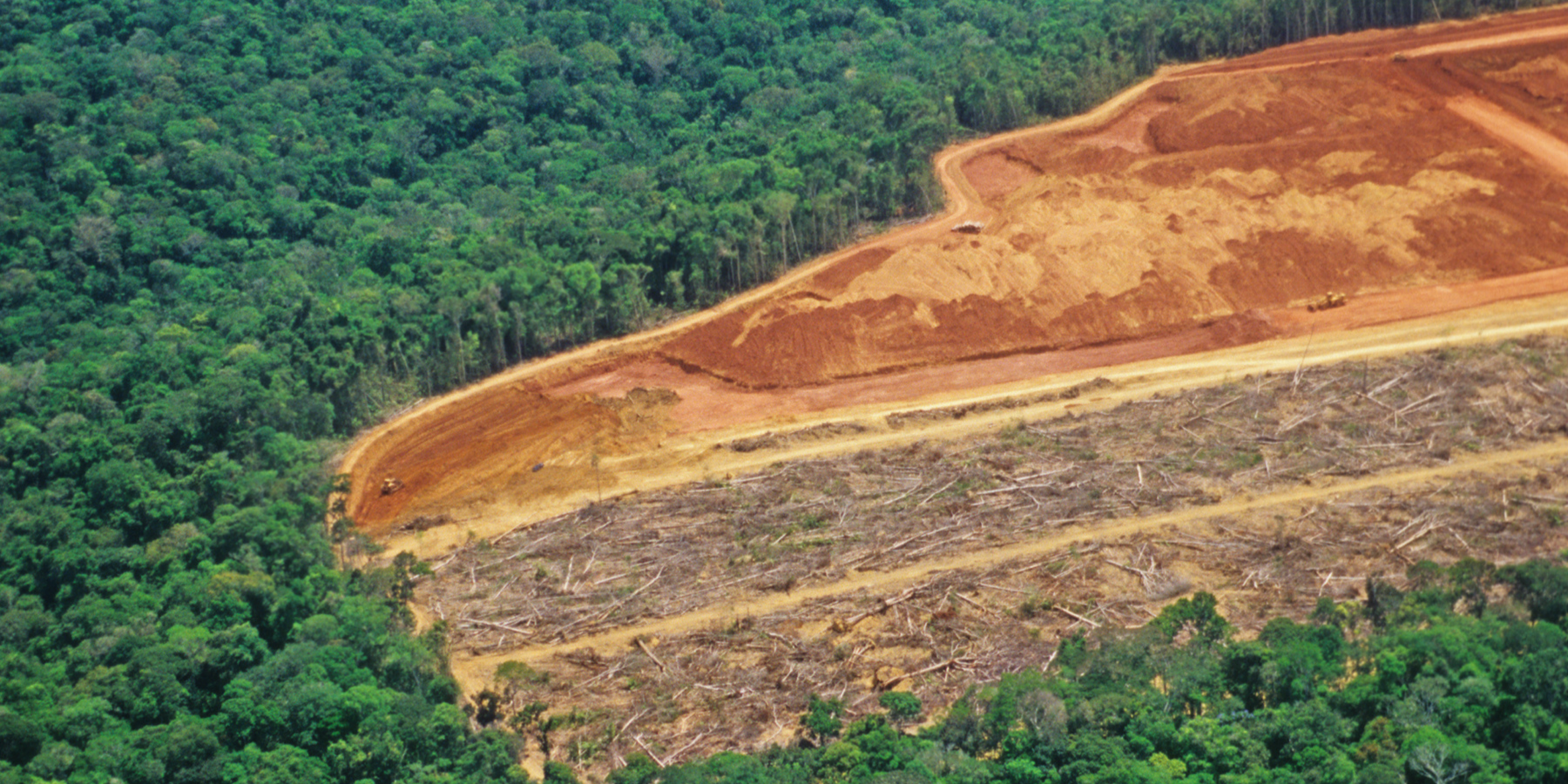
Whilst in the Amazon, I had an image of what it would be like. I thought there would be trees everywhere, but in reality, it’s mainly just cattle farms and dead animals because they don’t have anywhere to live as the jungle is being destroyed. During this trip, I found there were a lot of things that I didn’t expect and it made me conscious of how to live my life.
Within the communities in Brazil and Bolivia, cattle farming has become such a big thing, and people tend to eat a lot of meat, so I was showing them maybe they could still eat a little bit of meat but with more vegetables, to try and reduce the consumption. And I was trying to explain to them how important the trees are, as I guess when living so close to the forest/jungle it becomes a commodity.
However, I also learnt not to judge people, as it is all well and good for me to come in with my privileged background and ask people not to cut down trees, but companies out there are willing to pay much more money than the average worker receives as an incentive to cut down trees. In reality, it is a much bigger complex piece, and it requires all the countries around the world to work together and that’s why the Paris Agreement and the Cop conference are so important in this respect.
During my trip, I had both negative and positive experiences, but the positive experiences far outweighed the negative. It fundamentally changed me as a person. Growing up I went to private school and had quite a closed upbringing, but all these new experiences from travelling opened my heart and my mind.
One of the most life-changing things for me has been meditation. I would never have thought of something like that before, but travelling has made me open to things I wouldn’t have been before. I realised I was so reactive before and was quick to get upset.
Has there been a particular challenge that you found difficult at the time, but ultimately led to a period of personal growth?
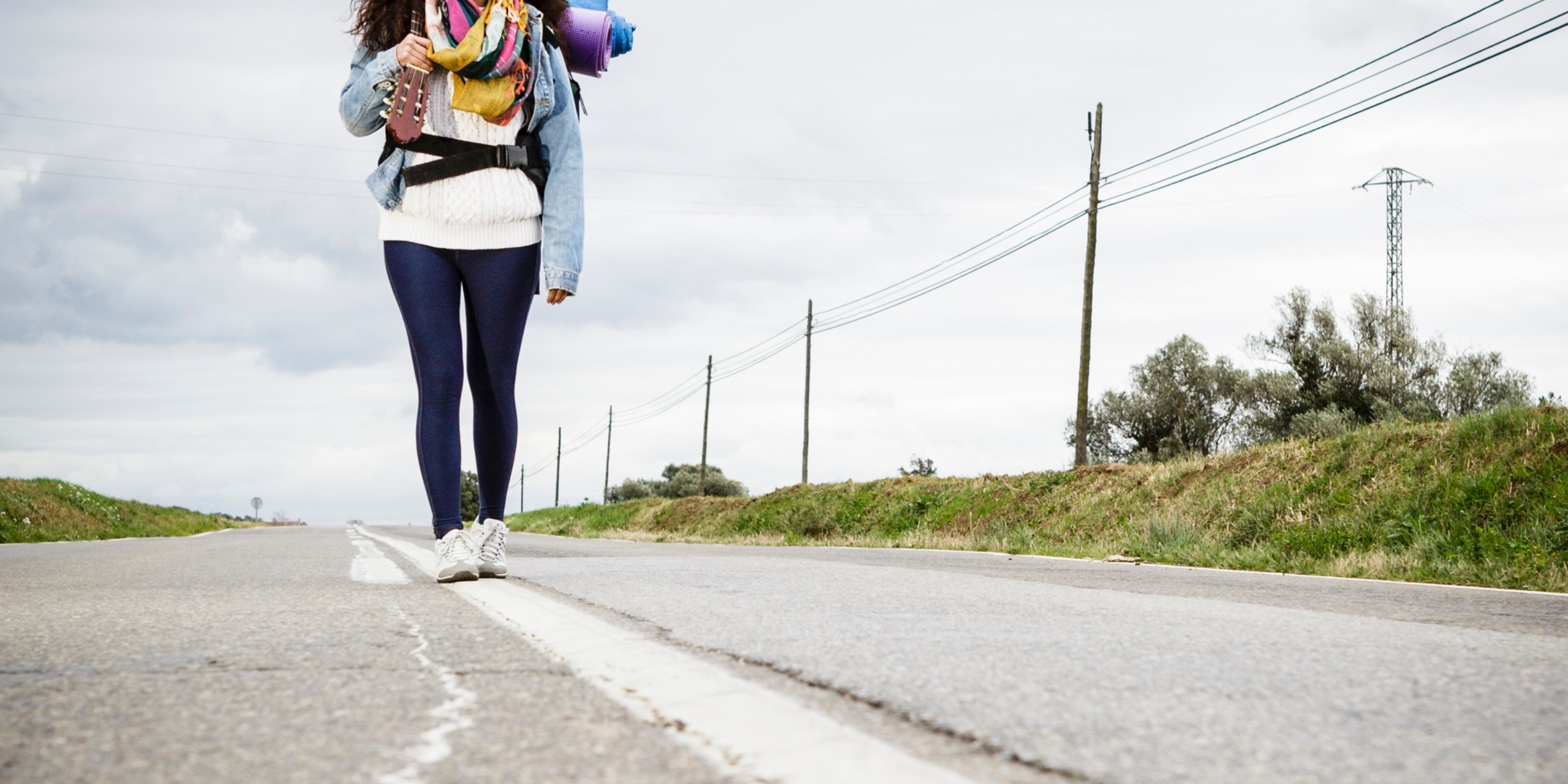
One of my biggest challenges was travelling from Hong Kong to the UK without money, after donating my travel budget to children in India. It was by far one of the most challenging things that I have done, but it helped me to overcome some of my biggest fears. Before the trip, I had stayed with a community within the Philippines and I learnt things from them, including how to swap things without using money, so I decided to try and make my way back with no money, using some of the techniques I had learnt.
After a couple of months of not knowing where I was going to sleep and eat, or how I was going to get from place to place, I realised I had nothing to fear at all. Once we overcome the initial mental reaction, we are just left with a difficult situation we need to overcome. I developed a lot of resilience and after that, nothing much scared me anymore. I was much more adaptable to different circumstances, and confident that I could find a solution regardless of how challenging it seemed.
I was also really happy to learn that I had inspired others through these trips. People wrote to me and explained how my story inspired them to find the courage and make changes in their life to enable them to become happier; whether that was taking a sabbatical or downsizing and living more simply. They could then focus more on their wellbeing, or even simple things like finding more time to spend with their family, rather than being over-consumed with work. We must understand the importance of love, not only for our own wellbeing but for us to live a balanced life as well.
You tackle some hard-hitting topics every day – violence against women, climate change, child abuse – and being faced with those realities regularly could have an impact on your own wellbeing, how do you manage this?
I think there are two ways you can show resilience – either you can develop a hard shell, where you may emphasize hitting targets, or there is another type, which is the route I went down, and that’s the path of strength and vulnerability.
I find that today, I am happier than I have ever been and I have meditation to thank for that. We believe that the situation or perhaps, someone speaking harshly to us, is what is making us sad but when I meditated, I realised it was my reaction to it as you can choose not to let things affect you.
It helps by feeling and embracing whatever emotion you are experiencing and saying whatever needs to be said. There are lots of different types of meditation, but the meditation I do is around balance.
Working in something like climate change, I feel requires a balanced mind, or you can just end up being a very angry person, as unfortunately I have seen in many activists. Through meditation, I can reflect and see that I have a lot of faults and flaws, which is inevitable as a fallible human being. Let me not judge myself and others, but rather do whatever I can to be a little more conscious about how my actions impact the planet.
I do silent retreats at a beautiful centre in Hereford, which I would recommend to anyone who wants to get to the root of suffering, which we all experience from time to time. It has helped me untie a lot of knots and understand how I create my suffering, as well as how to be a source of peace and joy in the world even amongst those who live in such misery.
I have realised whilst we have so much suffering inside ourselves, our ability to help others is limited. The calmer I am within myself, the less I need to say; my presence is enough for the vulnerable people I work with to feel safe and unravel big knots inside and they can tell me their deepest darkest secrets and walk through pain and darkness into light. Through meditation, I can offer that safe space without getting sucked into the agony of others and I can offer a lot of support and compassion to help them work through it.
What has been your career / professional highlight so far?
I think it depends on how you define it. Society probably would say being a Communications Director at the age of 30 and working with A-list celebrities. Personally, I would say my career highlight has been setting up my own charity and doing something that I felt was important.
I conducted over 35 workshops from the Favelas of Rio to the Bolivian Amazon across 6 months on a budget of £500. Opening the eyes of women in Latin America, and for them to know that they have options. I shared my own experiences of being followed and attacked as I find by being open and vulnerable, allows others to also be open and vulnerable.
What are you most proud of?
I am proud of changing myself, and for taking responsibility for myself. I am proud of myself for ignoring the voice of society and as a result, becoming a happier person.
I am proud that I once took a company that I felt bullied by to court, and I had to defend myself against a very aggressive lawyer.
I am also proud of travelling home from Hong Kong with no money after donating my travel budget to charity. There are so many things…
The Pursuit of Happiness: Outer Might Through Inner Light | Rhinal Patel | TEDxSwansea
Tell us about your charity The Pursuit of Happiness
I decided to set up my own charity, after working at several charities including Childline, which I still work for. The title of my TEDx talk was The Pursuit of Happiness (video above), and the charity emerged out of that. My motivation was happiness as the essence of it. Happiness comes from being honest with ourselves and realising it is okay to be sad. Being vulnerable with others allows them to feel safe to be vulnerable with you.
Through the charity, I mainly conduct workshops on human rights, the environment and wellbeing. I have given workshops in some schools in the UK, but mainly the workshops have been in Latin America.
What’s next for you?
Through my charity, the next thing I plan to do is walk the River Ganges in India. I’ve wanted to do this for a while, but it had to be delayed because of the pandemic. Whilst being delayed, I have taken this time to develop skills such as self-defence, which I feel is important for a woman travelling on her own. I am hoping to do this end of next year.
I will also be starting workshops for adults on wellbeing and how to look after our mental health as times become harder and pressures increase. It’s something I really wish I had available to me when I was a child and also when I worked throughout my stressful career, so I know what it is like also on the other side. Putting too much importance on work and not enough on our wellbeing, can also be one of the main causes of burnout.
My volunteer counselling work with Cruse Bereavement and the NSPCC has been really life-changing. Working with Childline, I realised one of the biggest issues in the UK, and amongst young people is mental health. Whilst access to basic human rights such as food and housing is an issue for people overseas, in the UK, it is access to support with mental health and there is an overwhelming reliance on charities like Cruse and Childline to pick up the pieces for this.
I wanted to work with Cruse Bereavement, which is a free service for young people and adults that have faced the loss of a loved one. Death is one thing that unites everyone, as at some point in all of our lives, we will experience the death of a loved one. Grieving the loss of someone you love is often the hardest thing you will have to face in your lifetime. I will continue to work alongside Childline and Cruse.
What can we all do to support and protect our planet?
I like to use the quote by Gandhi, “Be the change that you wish to see in the world”. Leading by example can be very powerful, and by being conscious of the way you speak to people or how you treat people and how you show empathy and compassion. Being conscious of what you are doing for the environment, and how you communicate that to others – talk to people without judgement. I would recommend that you don’t say things like “That’s not very good for the environment”, or “That’s not nice”, as when people are being spoken down to, they tend to automatically be like “Go away, please!”.
There are a lot of different components. One powerful thing I would recommend is also relatively simple and that is looking into your pension fund. A lot of pension funds out there heavily invest in fossil fuels and indeed it can be hard to find pension funds that don’t invest in fossil fuels. Perhaps start there and look at your pension fund.
A focus of Cop conferences and various reports is that it is vitally important for the need for fossil fuels to stay in the ground. The temperature needs to stay at a level that is safe for humanity. Also, look into your bank accounts as most high street banks are invested in fossil fuels, but there are safe ones, which are usually building societies, such as Nationwide.
On a human rights level, every day we can show acts of kindness. Volunteering is great and can be important, but the little things you do every day, checking with people and asking how they are can be just as important.
I have realised that climate emergency is not going to be solved by one person alone and that it needs to be a collective effort. We need to do it in a sustainable way that is in line with our current circumstances. It’s this really fine balance that now more than ever people are struggling and it’s about recognising that and not attaching too much judgement on people to always do the right thing.